Digital embroidery printing is becoming a popular solution for creating embroidery-style effects on fabrics for apparel, fashion accessories, and promotional products. Compared with traditional embroidery, digital embroidery printing offers a faster and more flexible way to achieve rich texture and visual depth without complex stitching processes. While both methods are used to create decorative embroidered looks, they differ greatly in production workflow, efficiency, cost structure, and scalability. This guide explains the key differences between these two methods and shows why the Senior UV Printer 6090 is becoming a preferred solution for modern textile businesses.
What Is Digital Embroidery Printing?
Digital embroidery printing is a printing technology that replicates embroidery effects directly onto fabric without using needles or thread.
Unlike traditional embroidery machines that rely on stitching, digital embroidery printing uses UV ink layering or DTF transfer technology to simulate raised thread textures. By controlling ink thickness and curing levels, the printer creates a realistic 3D embroidered appearance.
The Senior UV Printer 6090 stands out in this field. It produces 3D embroidery textures, raised logos, and detailed patterns on fabrics, leather, PVC, and acrylic—all without complex setup or manual stitching.
How Does Digital Embroidery Printing Work?
The process is simple:
Design → Print → Cure → Finish
This significantly reduces production time while maintaining high visual impact.
Key Benefits of Digital Embroidery Printing
1. Speed and Efficiency
Digital embroidery printing completes designs in minutes. There are no thread changes, no manual adjustments, and no lengthy setup procedures. This makes it ideal for fast production cycles and short delivery deadlines.
2. High Detail and Color Precision
The UV Printer 6090 reproduces complex gradients, fine lines, and photographic details that traditional embroidery machines cannot achieve due to stitch limitations.
3. Realistic 3D Textured Finish
By layering UV ink multiple times, digital embroidery printing creates a raised tactile surface similar to real stitching. Users can adjust thickness and gloss levels for different visual effects.
4. Lower Production Cost
There is no thread waste, no needle wear, and minimal labor involvement. This makes Digital Embroidery Printing especially cost-effective for short runs, personalized items, and detailed designs.
5. Versatile Applications
Digital embroidery printing works on:
- T-shirts
- Hoodies
- Shoes
- Caps
- Home decor fabrics
- Leather products
- Promotional merchandise
It is particularly suitable for small-batch customization, fast fashion production, and personalized branding.
What Is Traditional Embroidery?
Traditional embroidery uses needles and thread to stitch designs onto fabric. While modern embroidery machines automate some processes, they still require setup time, thread management, and machine calibration.
Traditional embroidery creates authentic stitched texture and is often associated with craftsmanship and premium branding. However, it has limitations in handling complex color gradients or highly detailed graphics.
Digital Embroidery Printing vs Traditional Embroidery
1. Design Flexibility
Digital embroidery printing easily handles complex, colorful, and gradient-based designs.
Traditional embroidery works best for simple logos, text, or monograms due to stitch density limitations.
2. Speed and Productivity
The Senior UV Printer 6090 completes prints in minutes.
Traditional embroidery requires thread changes, machine adjustments, and continuous supervision, reducing overall production efficiency.
3. Cost Efficiency
Digital embroidery printing offers lower cost per piece for small and medium production runs.
Traditional embroidery involves higher material, labor, and maintenance costs, especially for multi-color designs.
Texture and Visual Appeal
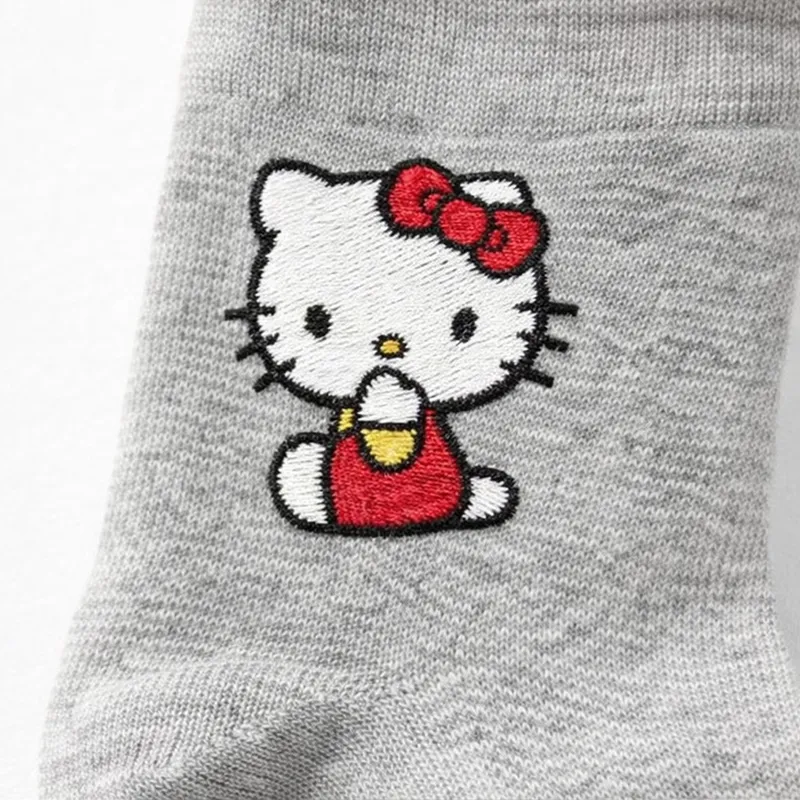
Digital embroidery printing produces a smooth yet raised surface that closely simulates stitched embroidery. With adjustable UV ink layering thickness, users can control gloss level, height, and texture density.
Traditional embroidery provides genuine thread texture, but the design result depends heavily on stitch direction and density.
With advanced 3D UV printing technology, the Senior UV Printer 6090 effectively replicates the appearance of real embroidery without mechanical complexity.
Durability Comparison
Both digital embroidery printing and traditional embroidery offer long-lasting results when properly applied.
UV-printed designs from the Senior UV Printer 6090 are resistant to fading, water exposure, and UV light. Proper curing ensures strong adhesion and stable color performance even after repeated washing.
Traditional embroidery withstands heavy washing but may experience thread loosening or fraying over extended use.
For fashion apparel, promotional products, and lightweight textiles, digital embroidery printing provides reliable durability for commercial applications.
Best Applications of Digital Embroidery Printing
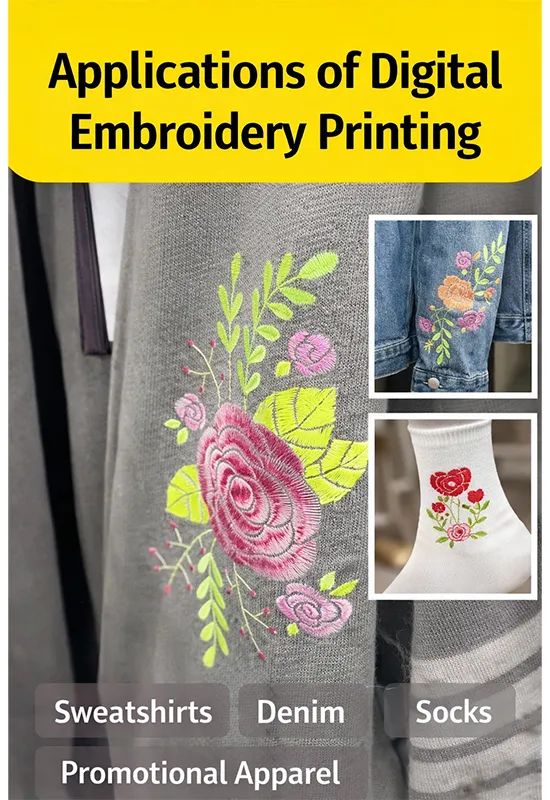
Digital embroidery printing is ideal for a wide range of soft materials and textile-based products. The pre-printed embroidery-effect graphics can be transferred onto socks, garments, jeans, and other flexible materials to create a textured decorative finish.
This application is highly suitable for products that require good stretch resistance and wash resistance. It is commonly used for backpacks, apparel printing, advertising banners, and other soft promotional materials. With its ability to combine visual embroidery effects with efficient production, digital embroidery printing is a strong choice for customized textile decoration and small-batch personalized orders.
Is Digital Embroidery Printing Durable?
A common concern is whether digital embroidery printing can match the durability of stitched embroidery.
Modern UV printing technology enables multi-layer ink curing, creating strong adhesion and long-lasting surface texture. For sportswear, fashion products, and promotional apparel, digital embroidery printing offers sufficient durability while providing greater design flexibility.
Is Digital Embroidery Printing Cost-Effective for Small Orders?
If your business focuses on fast turnaround, creative design freedom, and scalable customization, digital embroidery printing is the smarter choice.
The Senior UV Printer 6090 minimizes setup time, labor, and material waste while maintaining consistent high-resolution output.
Traditional embroidery remains suitable for limited-edition or luxury items, but it is less practical for mass customization or rapidly changing fashion demands.
Why More Businesses Are Choosing Digital Embroidery Printing
Embroidery decoration technology is evolving rapidly.
Digital embroidery printing represents a shift toward faster production, lower costs, and greater creative freedom. With advanced 3D UV printing capability, the Senior UV Printer 6090 enables businesses to achieve realistic embroidery effects without the limitations of traditional stitching.
For manufacturers, designers, and print shops looking to modernize their workflow, digital embroidery printing offers a powerful and scalable solution.
FAQ About Digital Embroidery Printing
Can digital embroidery printing replace traditional embroidery?
Digital embroidery printing can replace traditional embroidery in many applications such as custom apparel, promotional products, and small-batch production. It offers faster turnaround, lower cost, and greater design flexibility. However, traditional embroidery is still preferred for premium branding that requires real stitched texture.
What is the main advantage of digital embroidery printing?
The main advantage of digital embroidery printing is its ability to create embroidery-style effects without stitching. It reduces production time, eliminates thread-related limitations, and allows complex, colorful, and gradient designs that are difficult to achieve with traditional embroidery.
Is digital embroidery printing better for small-batch orders?
Yes, digital embroidery printing is highly suitable for small batches and customized orders. It requires minimal setup, supports quick design changes, and reduces labor costs, making it more efficient than traditional embroidery for short production runs.
What materials are suitable for digital embroidery printing?
Digital embroidery printing is suitable for a wide range of materials, including fabrics, socks, garments, denim, leather, and some flexible surfaces. It is commonly used for apparel, promotional products, and textile decoration applications.
What is the difference between digital embroidery printing and traditional embroidery in production efficiency?
Digital embroidery printing vs traditional embroidery shows a significant difference in production efficiency. Digital embroidery printing is faster and requires less manual intervention, while traditional embroidery involves thread changes, machine setup, and longer production time, especially for complex designs.