UV printing on wood is a digital printing method that prints full-color designs directly onto wooden surfaces such as MDF, plywood, bamboo, and natural wood. Because UV ink cures instantly under LED light, the printed image stays sharp, vibrant, and durable without soaking deeply into the material. This makes UV printing on wood ideal for custom signage, wooden gifts, home décor panels, branding products, and other personalized items. Compared with traditional decoration methods, it offers faster production, clearer details, and better flexibility for both small-batch customization and commercial orders. For businesses that want to create high-quality custom wood printing, UV printing is an efficient and practical solution.
The market for customized wood products continues to grow as customers increasingly look for unique designs, better quality, and personalized decoration solutions. From retail signage to home décor and branded wooden gifts, businesses need efficient printing methods that can handle small orders, custom designs, and fast delivery times. UV printing on wood meets these needs by offering direct printing, vibrant color output, and flexible production for a wide range of custom wood printing applications.
What Products It Is Used For
UV printing on wood is widely used for a variety of customized wood products because it offers vivid color, sharp detail, and fast production. It is commonly used for custom signage, wooden gifts, home décor panels, and personalized branding products. Businesses also use UV printing on wood for wooden boxes, name plaques, decorative panels, photo frames, souvenir items, and promotional products.
Because a UV printer can print directly on MDF, plywood, bamboo, and natural wood surfaces, it is suitable for both small custom orders and batch production. The technology keeps the natural wood texture visible while adding high-quality patterns, logos, and full-color images. This makes UV printing on wood a practical solution for gift shops, home décor brands, sign makers, and customized product businesses.
Growth Trends in the Customized Wood Products Market
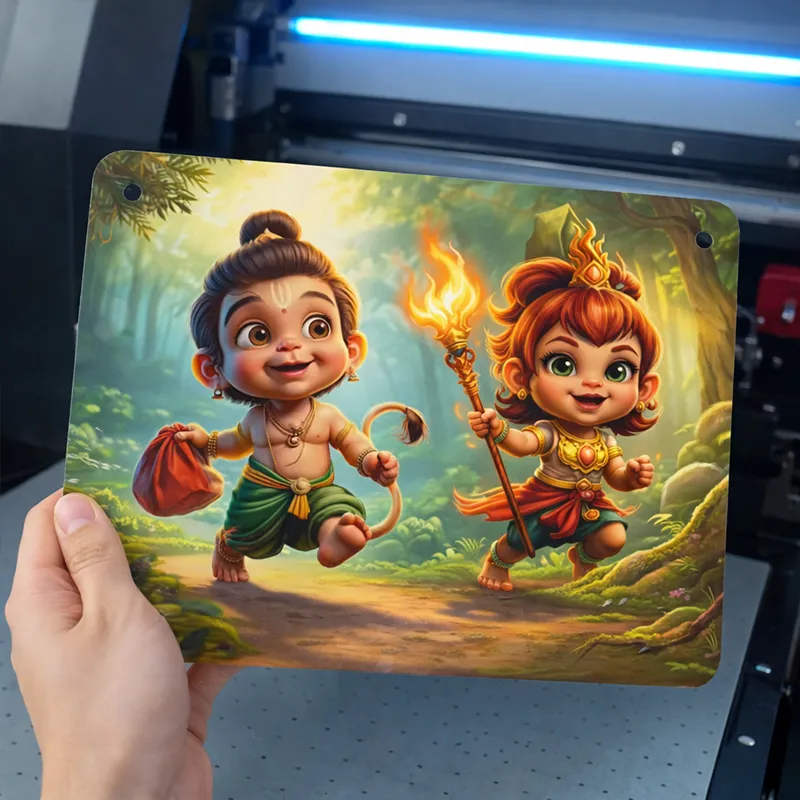
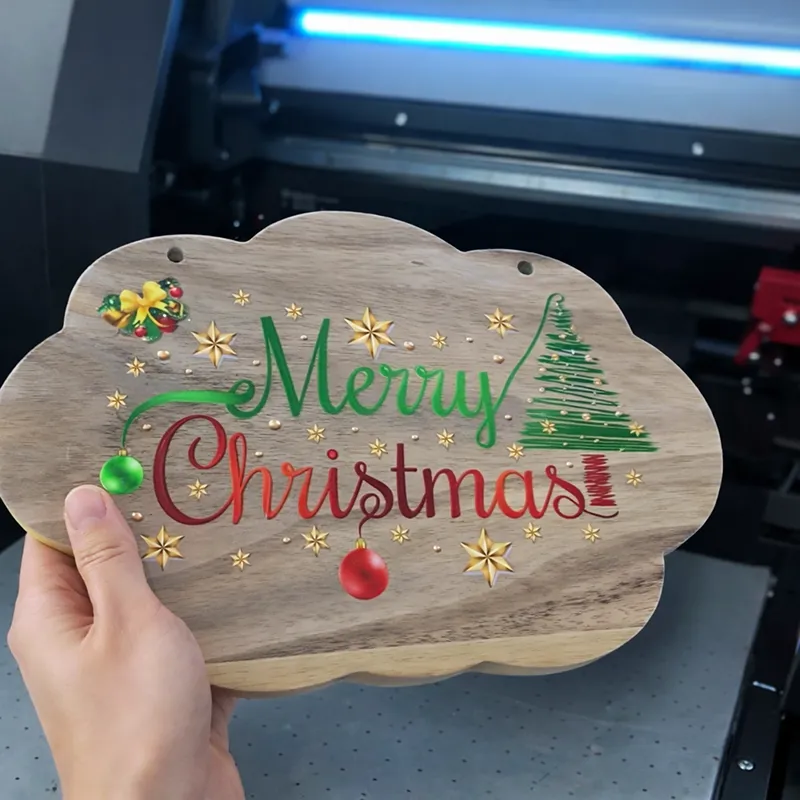
UV printing on wood is widely used for custom signage, wooden gifts, home décor panels, and personalized branding products.
The customized wood products market grows quickly. Customers want products that stand out. They look for high quality and personalization. Creative designs grow in demand. Technology moves forward, and eco-friendly materials gain popularity. Businesses use UV printers to produce customized wood products efficiently and meet customer expectations.
What is UV printing?
UV printing on wood is a digital printing method that uses UV-cured inks to print directly onto wooden surfaces.
Unlike traditional printing or engraving, UV printing delivers vivid colors, strong adhesion, and fast curing on both natural and engineered wood.
UV printing is a digital printing method that uses ultraviolet light to cure UV ink instantly. A UV printer can print directly on wood and many other materials while delivering bright colors and a long-lasting finish. It requires no plates and produces no extra waste, making it ideal for custom gifts, signs, packaging, and décor. Both small runs and large projects can be handled efficiently, turning ideas into finished products with stable quality and high flexibility.
Case
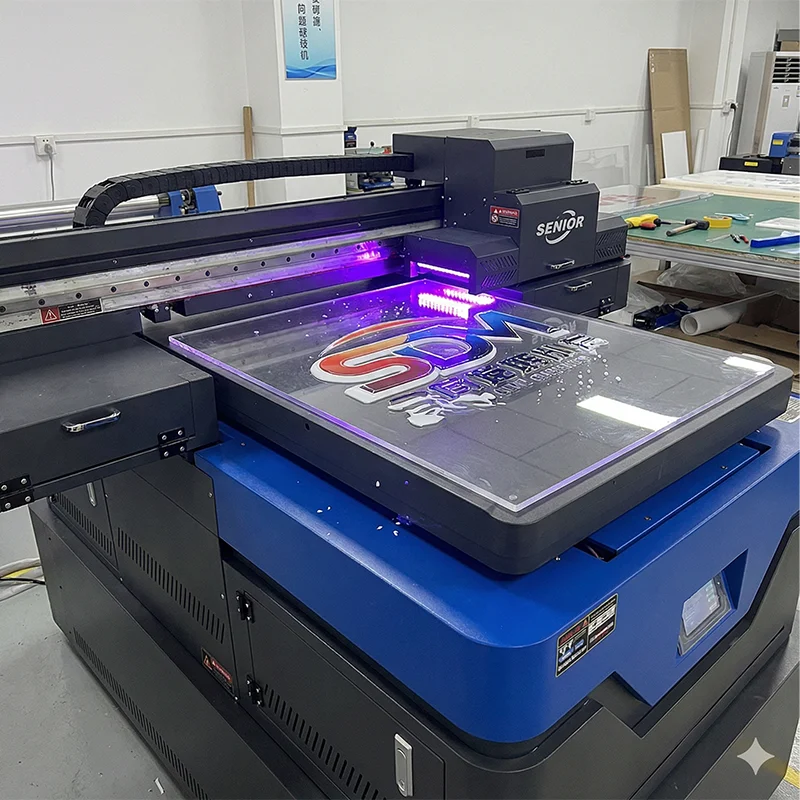
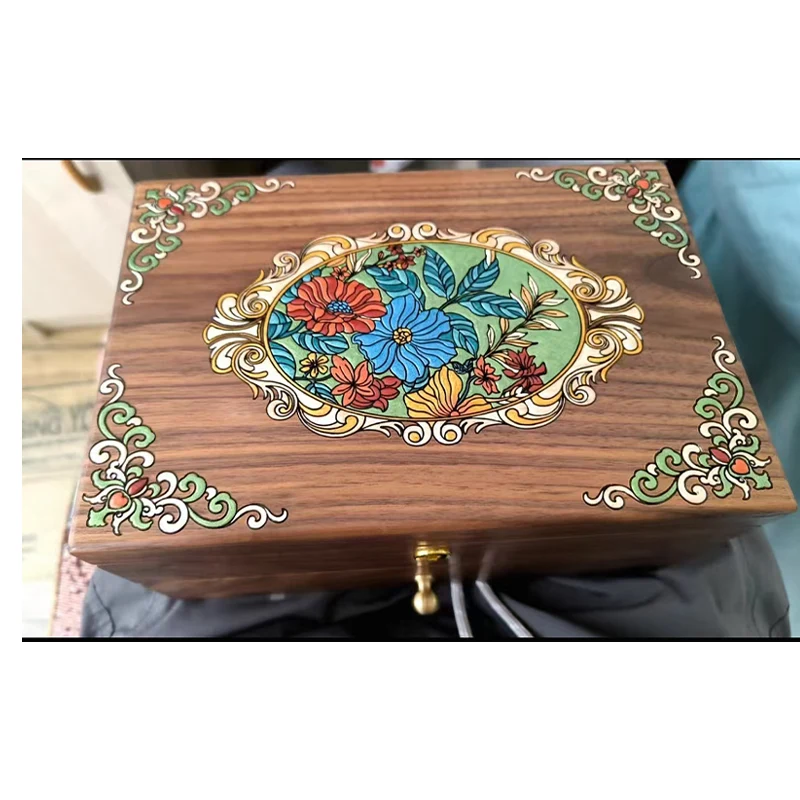
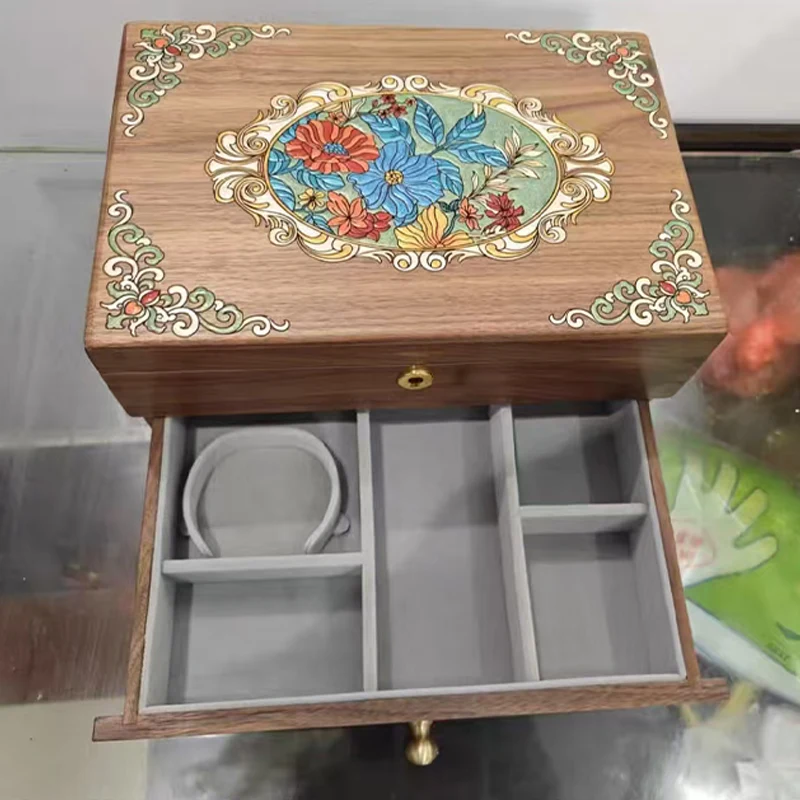
UV 6090 flatbed printer UV Printing jewelry box
Introduction to UV Printing Technology
UV printing cures ink instantly with ultraviolet light. It prints sharp and precise patterns on almost any surface. A piezoelectric printhead sprays tiny UV ink droplets accurately. UV-LED light (365-405nm) cures the ink in fast. A UV printer produces bright colors and intricate designs with high precision.
UV Print on Wood—Pros & Cons
| Aspect | UV Print on Wood |
|---|---|
| Color Vibrancy | High |
| Adhesion | Strong |
| Drying Time | Instant |
| Suitable Wood Types | MDF, plywood, solid wood |
| Limitations | Not ideal for deep textures |
Why UV Printing Works Perfectly on Wood Surfaces
Wood is porous. Traditional inks soak in and blur lines. UV ink cures instantly. It stays on the surface. Lines stay crisp. Colors stay vibrant. Details remain sharp. Fine text and complex patterns print perfectly. UV printing on wood delivers precise and consistent results on a wide range of wooden surfaces.
Advantages of UV Printing for Custom Wood Products
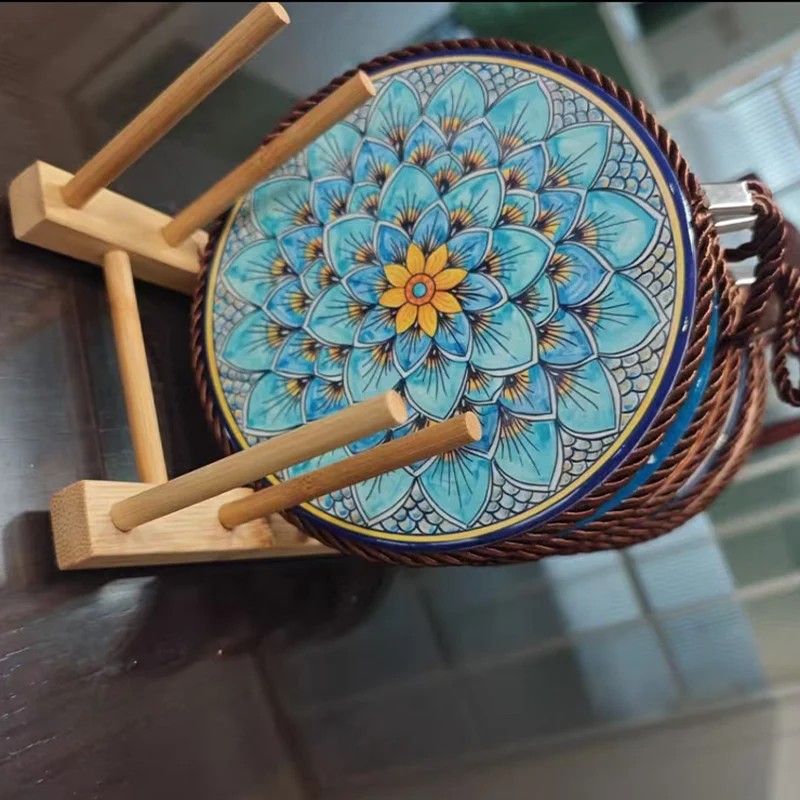
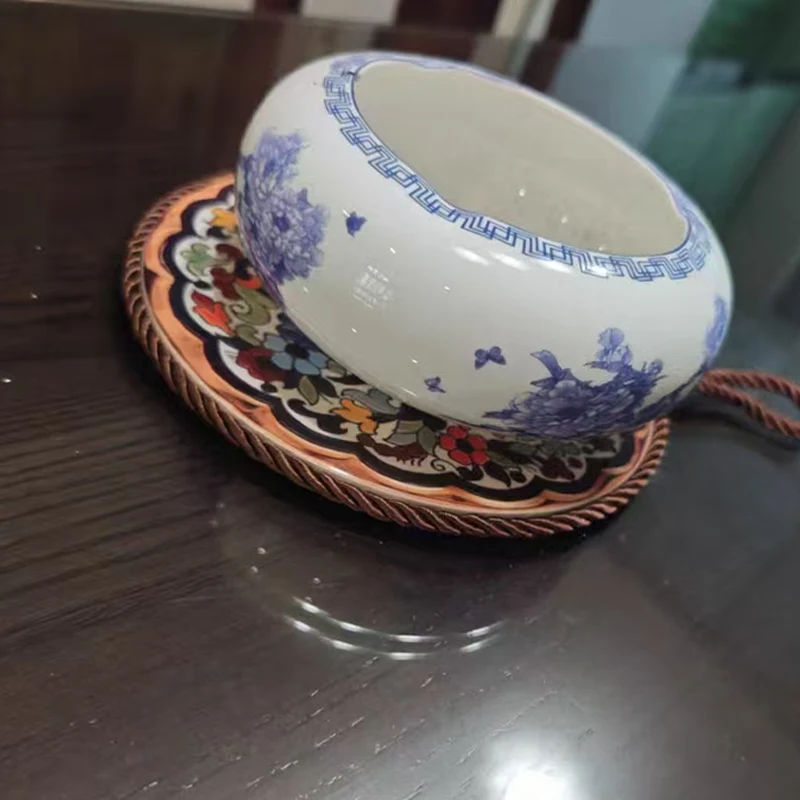
UV printing on wood offers excellent color accuracy and sharp image details for custom wooden products, making it ideal for decorative products and personalized designs. UV ink cures instantly under ultraviolet light, forming a durable layer that resists scratches, moisture, and fading. This technology works well on many types of wood such as MDF, plywood, bamboo, and natural wood boards while preserving the natural grain texture of the material.
UV printing on wood is also widely used to create decorative wood surfaces and custom wooden products. By printing high-quality images, patterns, or brand logos directly onto wooden items, businesses can achieve a premium and customized appearance. It is commonly used for decorative panels, home décor items, signage, and personalized wooden gifts.
In practical production, UV printing on wood is usually completed using a UV flatbed printer.The printer sprays UV ink directly onto the surface of wooden products through a non-contact printing process. After printing, the ink is instantly cured by LED UV light, allowing the design to dry immediately. This process keeps the natural structure and texture of the wood unchanged while producing bright, clear, and long-lasting images.
Because of its flexibility and efficiency, UV printing on wood is widely used for custom signage, home decoration panels, promotional gifts, and various customized wooden products.
UV printing creates prints that stick firmly. The cured layer resists scratches, wear, water, and UV light. It works well for furniture, signage, decorative items, and other durable wood products. Businesses achieve high-quality results every time.
Popular Wood Products Used in UV Printing on Wood
UV printing works best for small batches and complex patterns. It offers high precision, instant drying, strong adhesion, and 3D effects. Popular products include:
- Wooden boxes and jewelry boxes
- Wooden puzzles
- Wooden musical instruments
- Custom furniture panels
- Wooden building materials
A UV printer can handle all these products efficiently and produce consistent results.
- Tips for UV Printing Wood Products
Follow these tips to boost both quality and efficiency:
Maintain wood moisture at 8–12%.
Three steps: coarse (120 grit), medium (240 grit), and fine (400 grit). Always sand along the grain. For curves, wrap sandpaper around a sponge for smoother results.
Apply primer at 0.08–0.15 mm on porous wood. Keep layers thin to avoid cracking.
For light-colored wood, use a single coat of white ink. For dark wood, apply two or more coats for accurate colors.
A UV printer ensures precise layering and vibrant results on wooden surfaces.
Future Trends in UV Printing for Customized Wood Products
UV printing will turn wood products into creative and interactive pieces. Trends focus on smart technology, eco-friendly materials, stronger visual effects, and new applications. Businesses that invest in UV printers will have more opportunities in the personalized wood product market.
Conclusion
UV printing cures ink instantly. It prevents smearing and penetration issues. Prints stay sharp, colorful, and detailed. UV inks stick well, resist wear, and adapt to custom shapes. They offer multiple effects and fast production. UV printing is widely used for furniture, crafts, signage, musical instruments, building materials, and custom wood products. Businesses can use UV printing on wood to create professional, efficient, and visually impressive customized products.
FAQ About UV Printing on Wood
Q1: Can a UV printer print directly on wood?
Yes, a UV printer can print directly on many wooden surfaces, including solid wood, MDF, plywood, bamboo, and veneered boards. UV printing on wood works by spraying UV ink onto the surface and curing it instantly with LED UV light. This process creates sharp, colorful, and durable images while preserving the natural texture of the wood.
Q2: Is UV printing on wood durable?
Yes, UV printing on wood is durable and suitable for many decorative and commercial applications. After curing, the UV ink forms a strong layer on the wood surface, which helps improve scratch resistance, moisture resistance, and fade resistance. This is why UV printing on wood is widely used for indoor signage, personalized gifts, decorative panels, and branded wooden products.
Q3: What is the best wood for UV printing?
The best wood for UV printing usually includes smooth and stable materials such as MDF, plywood, bamboo, and well-finished natural wood. Flat and evenly textured surfaces generally produce better image quality and more accurate color performance. Porous or rough wood can also be printed, but surface sanding or primer may be needed for better adhesion and cleaner results.
Q4: How to print on wood with a UV printer?
To print on wood with a UV printer, the surface should first be cleaned, sanded, and prepared properly. For some porous or uneven wood materials, applying primer or a white base layer can improve ink adhesion and color brightness. After that, the UV printer prints the design directly onto the wood, and the ink is cured instantly by UV light. This allows fast production, immediate handling, and consistent print quality.
Q5: Can UV printing be done on MDF and plywood?
Yes, UV printing on MDF and UV printing on plywood is very common. These materials are widely used for custom signage, home décor panels, wooden gifts, and promotional products. MDF usually offers a smooth and stable surface for clear image output, while plywood is also suitable when the surface is properly prepared. For the best results, it is recommended to test ink adhesion before full production.