In the past decade, glass films have been a common solution for privacy and decoration in homes, offices, and commercial spaces. Traditional frosted glass films are simple, easy to use, and cost-effective.
However, digital printing technology is changing the market — UV DTF prints on glass films enhance decoration and redefine glass aesthetics.
This article explains the differences between traditional frosted films and UV printing, the workflow, effect comparison, and practical applications.
What is Traditional Frosted Glass Film?
Frosted glass film is a thin layer applied to smooth glass surfaces. Its main functions:
- Privacy protection: Block view without reducing light
- Translucent: Maintain interior brightness
- Decorative effect: Provide clean, frosted aesthetics
- Soft visual effect: Create a gentle “blurred glass” look
- Cost-effective and easy to install: DIY-friendly, like a phone screen protector
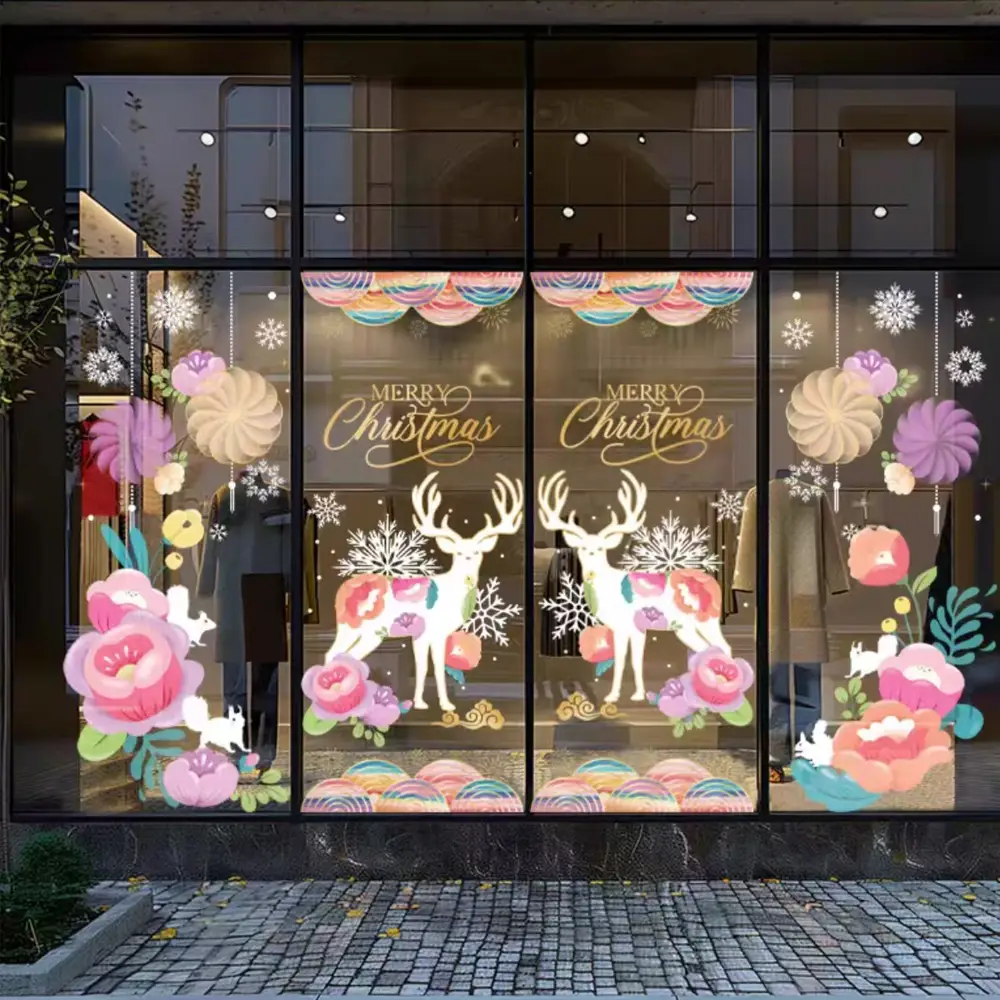
Traditional Cutting/Engraving Workflow
- Design creation
- Prepare equipment (computer + cutting machine)
- Place film on cutting platform
- Machine cuts letters or patterns
- Remove cut sections
- Apply to glass
Effect: Frosted background with transparent letters or patterns.
Limitations: Only simple patterns or text; cannot produce gradients, full-color, semi-transparent, or photo effects.
What is Glass Film UV Printing?
Transparent UV printing uses UV flatbed printers to print directly on PET glass films. It can achieve:
- Matte, glossy, or semi-transparent effects
- Full-color and gradient designs
- Localized gloss or matte areas
- 3D embossed textures
UV printing can mimic frosted effects more delicately and with more variety than traditional films.
UV Printing vs Traditional Frosted Glass Film: Comparison
| Comparison Dimension | Traditional Frosted Glass Film | UV Transparent Printing |
|---|---|---|
| Core Technology | Frosted effect applied on the film surface via physical or chemical methods | Digital printing on transparent or functional films using a UV printer |
| Core Function | 1. Privacy protection 2. Light diffusion (some low-end products only offer this) | 1. UV protection 2. Heat insulation 3. Decoration & privacy |
| Pattern & Customization | Very limited; usually uniform frosted texture with no patterns. Different textures exist but complex customization is impossible | Highly customizable; can print high-resolution images, logos, patterns, gradients, fully personalized designs. Frosted is just one style |
| Visual Effect | Both sides appear blurry and uniform | From the outside: frosted/opaque; from the inside: can see high-definition designs. Allows “different inside and outside” visual experience |
| Cost | Low; single function, simple production process | High; technology-intensive, integrates multiple functions, supports personalized customization |
| Decorative Effect | Single; only white frosted texture | Diverse: color, matte, gradient, semi-transparent, frosted, etc. |
| Personalization | Low; only lettering or cut-out patterns | Very high; can print any design |
| Process Flexibility | Limited cutting, complex patterns difficult | Computer-designed and printed directly; flexible and efficient |
| Small Batch Cost | Not suitable for personalized or small-batch orders | Friendly for single-sheet printing; ideal for small batches |
| Color Effect | Cannot display color | Full-color, high precision; can print with white underlayer |
Workflow for UV Glass Film Printing
- Design & Output:
- Software design allows multiple effects per sheet (matte + color + gradient + white)
- Material Preparation:
- Fix transparent PET film on the UV platform
- Printing:
- Print multiple layers: color, white, matte
- UV Curing:
- UV lamp instantly cures ink for durable patterns
- Inspection, Cutting & Installation:
- Check → cut → apply to glass
Why UV Printing Changes the Glass Film Market
Advantages over traditional frosted film:
- Any design possible: No cutting, no film templates
- Examples: Photos, logos, color patterns, semi-transparent gradients, artistic illustrations, 3D effects
- Small-batch friendly: Print one sheet at a time, each unique
Practical applications:
- Office Glass Partitions:
- Logos, brand colors
- Gradient frosted and semi-transparent effects
- Commercial Windows & Storefronts:
- Promotional posters, brand display
- Advanced semi-transparent visuals
- Home Decoration:
- Wardrobe doors, kitchen cabinets, partitions
- Print art, photos, or textures on PET film before installation
- Exhibition, Hotel & Restaurant Spaces:
- Corridor glass, partitions, decorative art glass
Industry Applications
1. Architecture & Home
- Privacy protection: Bathrooms, office partitions, low-rise windows
- Safety & shatter resistance: Glass doors, curtain walls, partitions
- Heat insulation & UV protection: UV heat-blocking film blocks up to 79% heat and 99% UV
- Decoration & glare reduction: Print patterns, logos, landscapes, and art
2. Automotive
- Car window films: UV prints protect from heat, UV, glare, and enhance privacy
- Paint protection films: High strength, anti-yellowing, self-healing
3. Commercial & Display
- Storefronts, banks, jewelry stores: Safety and brand display
- Advertising: Large-scale UV prints on glass, high translucency, impressive visuals
- Long-tail keywords naturally added: how to stamp on glass, ink stamping on glass
Conclusion
- Traditional frosted films = basic protection and decoration
- UV DTF prints = high-end customization, design-focused, small-batch friendly, durable, color-rich
In today’s market, where spatial aesthetics are increasingly valued, UV printing is replacing traditional frosted films for decoration. Glass films are no longer just “privacy tools” — they are true carriers of spatial art.