
With advancements in technology, UV printing has become an important innovation in the digital printing field. This technology uses ultraviolet (UV) light to cure ink, offering high-precision and fast prints results. It is particularly suitable for printing on various material surfaces. In this article, we will explore the concept of UV printing, its working principle, its key features, and its applications in modern industries. We will also discuss the future trends in digital prints and why UV machine leads the way.
uv printer for wood
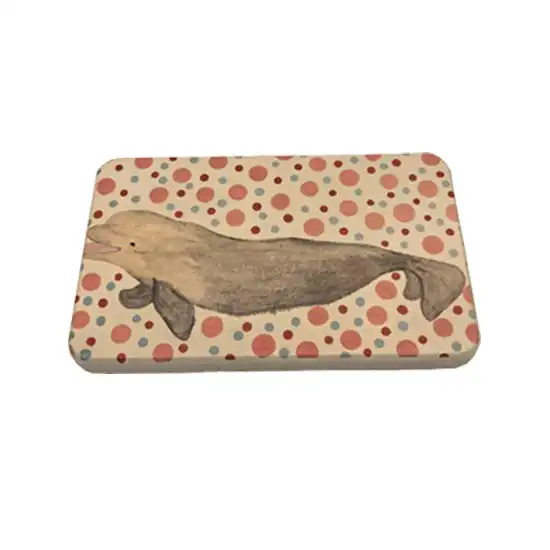
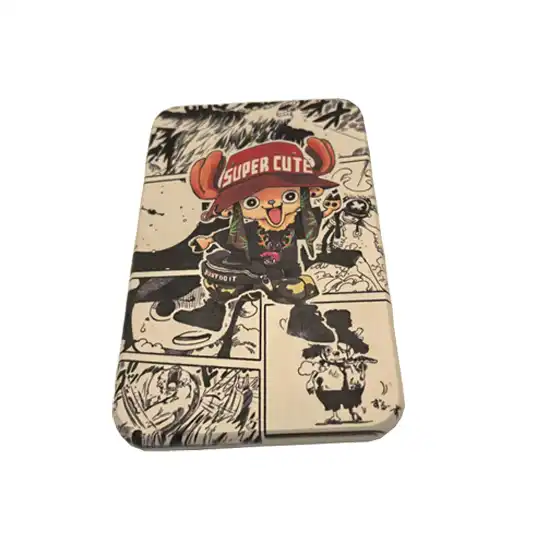
UV Printer for Wood: Prints Made Easy
A UV printer for wood gives you freedom. You can print photos, logos, or patterns directly on the surface. No transfer paper. No extra steps.
It works on flat wood panels, furniture boards, and even small crafts. The ink cures fast under UV light. Colors stay sharp. The finish resists scratches and fading.
Businesses use it for signs, décor, and branded gifts. Small shops use it for custom crafts. You get both speed and quality.
If you want flexible printing on natural materials, a UV printer for wood is the smart choice.
What is UV Printing?
UV printing is a digital prints technology that uses ultraviolet light to cure ink. Unlike traditional ink prints, UV printing uses special UV inks that are instantly cured when exposed to UV light, ensuring high-quality and precise prints. UV machine can be used on a wide range of surfaces, including glass, metal, plastic, wood, ceramics, leather, and more.
How Does UV Printing Work?
The basic process of UV printing consists of the following steps:
- Printing: The image is first printed onto the material’s surface using ink.
- Completion: The printed material is ready to use right away, as the ink is dry and stable.
printer for plastic
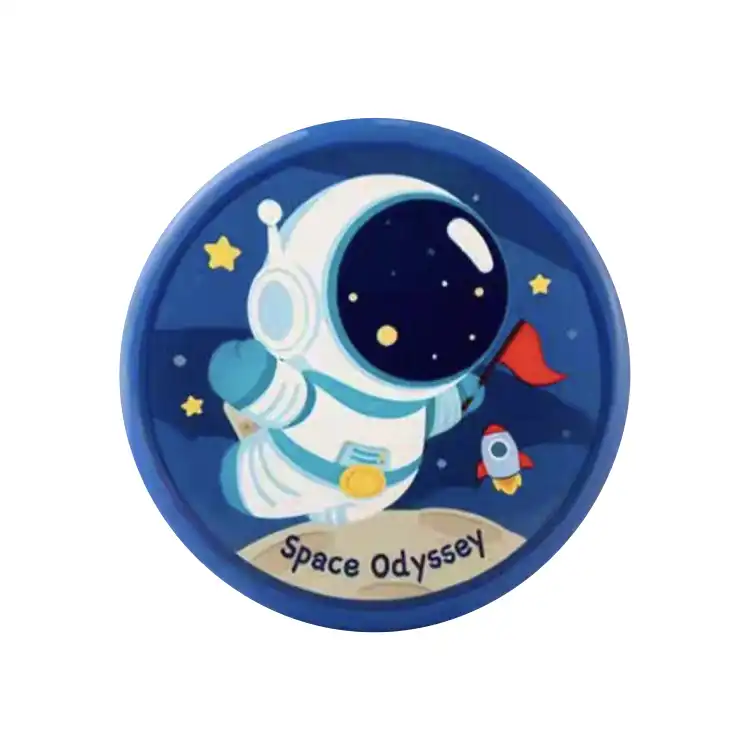
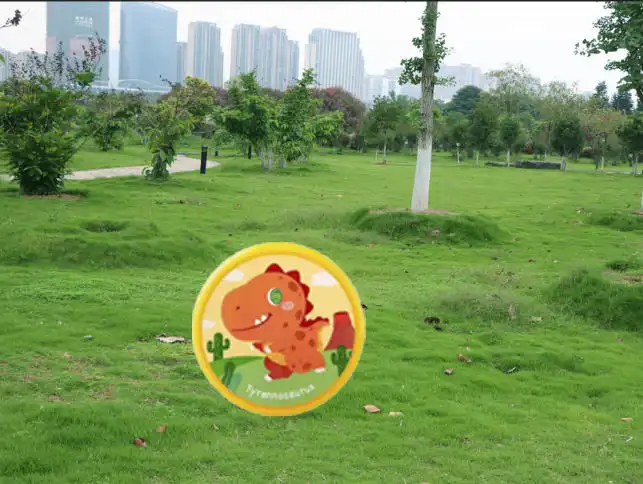
Printer for Plastic: Simple and Direct
A printer for plastic lets you print without limits. You place the item. You hit start. The design goes straight on the surface.
It works on bottles, cases, toys, and packaging. The ink locks onto the plastic. Colors stay bright. Prints last long.
Shops use it for custom gifts. Brands use it for product design. Everyone saves time. Everyone gets a better finish.
If you want clean, fast, and durable prints on plastic, this is the way to go.
UV Printing vs. Traditional Inkjet Printing
- Ink Type: Traditional inkjet printers use water-based or solvent inks, which require drying time. UV printers use UV inks that cure instantly under UV light.
- Surface Compatibility: can be applied to many hard and soft surfaces such as metal, glass, wood, and plastic, while traditional inkjet how to print uv dtf is mostly limited to paper.
- Durability: provides more durable prints that are scratch-resistant and water-resistant, ideal for outdoor use and long-lasting products.
Steps in UV Printing
- Preparation: Choose the material and clean its surface to ensure it is free of dust and impurities.
- Printing: The design is printed onto the material using a printer.
- Curing: UV light immediately cures the ink, ensuring vibrant colors and sharp details.
- Completion: The printed item is ready for use, packaging, or further processing.
Key Features of UV Printing
- High Precision: how to print uv dtfprovides extremely high accuracy, ideal for detailed designs.
- Versatility: can be used on a wide range of materials, including metals, plastics, glass, wood, ceramics, and more.
- Durability: UV prints are more resistant to wear, water, and UV light, making them ideal for outdoor or high-traffic applications.
- Eco-Friendly: inks typically contain fewer volatile organic compounds (VOCs), making dtf custom an environmentally friendly choice.
Applications of UV Printing in Modern Industries
widely used in various industries, including:
- Advertising and Signage: is perfect for creating durable outdoor advertisements and store signs.
- Personalized Products: Custom gifts, personalized furniture, and electronic device covers are often made using UV for unique designs.
- Packaging Industry: service is used to create vibrant packaging designs that are resistant to fading and wear.
- Automotive and Home Décor: is used to add custom designs to car parts, furniture, and home décor items.
The Future of Digital Printing: Why UV Printing Leads the Trend
The future of digital printing looks promising, with playing a central role. As environmental concerns grow, UV printing’s eco-friendly nature and efficiency make it a preferred choice. UV printing’s precision and versatility make it suitable for both small-scale custom jobs and large-scale production. As technology continues to evolve, how to print uv dtf devices will become more efficient and affordable, leading to even wider adoption in various industries.
In the future, with the growing demand for personalized products, dtf custom printing will become the go-to solution for industries like home goods, electronics, automotive parts, and more.
Conclusion
how to print dtf is a major breakthrough in digital technology. It offers high precision, durability, and versatility, making it an ideal choice for various applications. With its eco-friendly nature and fast curing process, UV printing is set to lead the way in the future of digital service. As the technology evolves, uv dtf custom how to print uv dtf will continue to expand into new industries, offering innovative solutions to businesses and consumers alike.