

Many beginners in UV printing often ask:
Do all materials need UV coating before printing?
The short answer is
No.
But the real answer is more technical.
Understanding when to use UV printing coating can significantly improve adhesion, durability, and customer satisfaction—especially for small UV workshops and UV6090 users.
Let’s break it down clearly.
What Is UV Printing Coating?
UV printing coating is a surface pretreatment liquid applied before printing.
Its main purpose is to:
Improve UV ink adhesion.
By increasing surface activity, coating allows UV ink to bond more effectively to certain materials.
It enhances:
- Adhesion strength
- Scratch resistance
- Wear resistance
- Long-term durability
Without proper adhesion, printed designs may peel, crack, or scratch off easily.
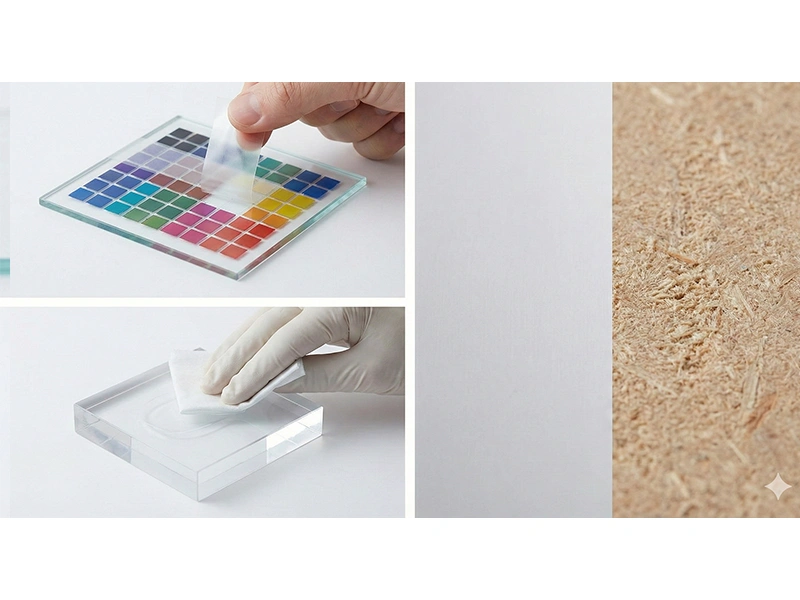
Why Do UV Ink Adhesion Problems Happen?
The core issue is surface energy.
Smooth, low-surface-energy materials do not allow ink to “grip” the surface.
Examples include:
- Glass
- Metal
- Mirror acrylic
- PP plastic
On these surfaces, UV ink adhesion problems are common without coating.
Materials That Usually Require UV Coating
1. Glass
Glass is smooth and chemically inert.
UV coating for glass printing is highly recommended.
2. Metal
Metal surfaces often require special metal-specific coatings to prevent peeling.
3. PP Plastic
PP has very low surface energy.
Coating is almost mandatory.
4. Ceramic
Glazed ceramic surfaces need proper pretreatment.
Without coating, prints may scratch off easily.
Materials That Often Do Not Require UV Coating
Some materials naturally allow better ink adhesion:
- Wood
- MDF
- Some PVC boards
- Certain acrylic types
However, testing is always recommended.
Even acrylic may require coating depending on surface finish.
How to Determine If UV Coating Is Required
Instead of guessing, perform adhesion tests.
1. Scratch Test
Lightly scratch the printed surface with a fingernail.
2. Tape Test
Apply strong tape and remove quickly.
3. Cross Hatch Test
Use a blade to cut a grid pattern, then apply tape.
If ink peels off easily, coating is required.
How to Apply UV Coating Correctly
Follow these steps:
- Clean surface (remove oil and dust)
- Apply coating evenly with lint-free cloth
- Allow natural evaporation
- Print after fully dried
Important:
- Do not overapply.
- Do not print before fully dry
- Shake coating before use
Improper application may cause bubbling or fogging.
Common Mistakes Beginners Make
Mistake 1: Assuming all materials require coating
Mistake 2: Using universal coating for all materials
Mistake 3: Applying too much coating
Mistake 4: Printing before evaporation
Each material requires a matched coating.
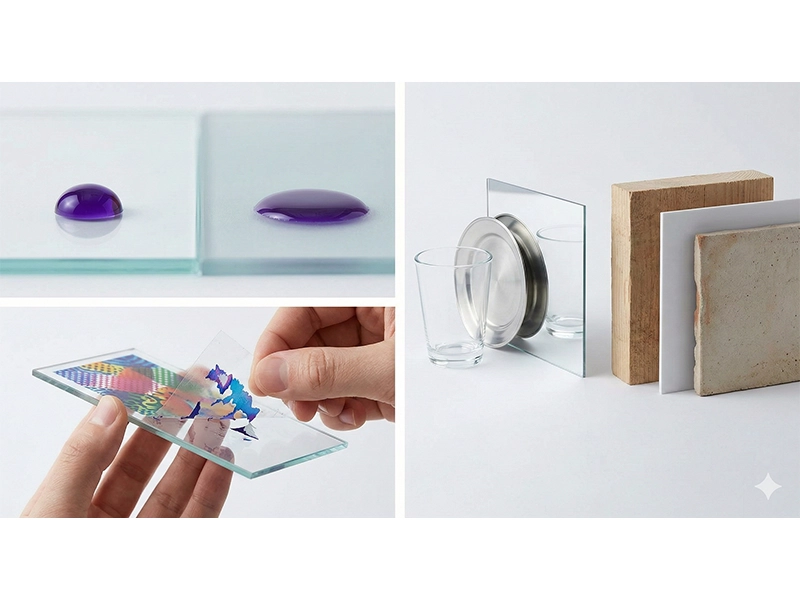
How to Improve UV Ink Adhesion Without Overusing Coating
Besides coating, you can improve adhesion by:
- Controlling curing intensity
- Adjusting white ink base layer
- Optimizing surface cleaning
- Using correct ink formulation
Coating should not replace proper process control.
Conclusion
Do all materials need UV coating?
No.
Whether UV printing coating is required depends on:
- Surface energy
- Material type
- Adhesion testing results
For UV6090 users and small printing businesses, understanding coating logic reduces rework and improves production stability.
Always test before mass production.
UV printing is not only about the printer—it is about mastering material compatibility.
FAQ
Do all materials need UV coating before printing?
No. Only low-surface-energy materials like glass and metal usually require coating.
How do I know if UV coating is required?
Perform scratch, tape, or cross-hatch tests after printing.
What materials require UV coating?
Glass, metal, PP plastic, ceramic, and mirror acrylic often require coating.
Can I use one coating for all materials?
No. Different materials require specific coating formulations.
What happens if I skip UV coating?
Ink may peel, scratch off easily, or show poor durability.